Botanical Monuments
26 green places in Rotterdam
The Botanical Monuments are 26 green places in Rotterdam which are part of the 11th edition of the International Architecture Biennale Rotterdam (IABR). They address this biennale’s ambitions to shift architecture’s relationship with nature, focusing on ecologies and nature. During the biennale different activities will take place in these Botanical Monuments.
Check the public program
Check the Botanical Monuments Map
Botanical Monuments consist of initiatives rooted in green public spaces across various locations in Rotterdam. A network of locations and initiatives that we hope will continue to expand over time, connected by regenerative community and gardening practices, and rooted in the coexistence and daily rituals with nature. The IABR 2024 is actively enhancing networks for biodiversity in Rotterdam by contributing to civic awareness and encouraging supportive research into existing master plans. Come and explore how global perspectives fit into local places – as a start to building in collaboration with nature and to last for generations.
Research by design IABR 2024 by Dérive
The historically industrial city of Rotterdam is going green. Rooted in an urban strategy centered around water, the river Meuse and the 19th century Singelplan by urbanist Rose, more recently the city is focused on enforcing its green corridors. In the last two decades the Municipality of Rotterdam has developed over 20 ‘green’ masterplans, designed in collaboration with and sometimes initiated by renowned landscape architecture offices. In Rotterdam, the city dreams big and is in the middle of a National Park Rotterdam campaign (launched March 2023). The city is also in the process of implementing 7 large nature positive parks, the city has a program manager for biodiversity, the city of Bureau Stadsnatuur [office for urban nature] and the home of the concept ZOOP (launched in 2022 by Nieuw Instituut, and organizational model for cooperation with nature), so, it’s fair to say a lot is happening in Rotterdam regarding nature, biodiversity and ecology. Read the research below.
“Our goal is to tell our story and expand our community, starting with attracting consumers who become familiar with this area and eventually want their shopping baskets filled with local and nature-inclusive products from the land.”
“Transdisciplinary working is crucial—thinking beyond the boundaries of your own field and taking on multiple roles: an architect who thinks like a social worker, an artist who engages in social work. I hope the field of architecture will develop in this direction, because this is how you can truly make an impact.”
"Their dream of making rural life in Rotterdam accessible to the public has become a reality: the farm comprises an old cowshed transformed into a public farmyard with a large nature playground, a Natuurmonumenten information point and shop, a wool workshop, and a lunchroom."
“If we dream big, we'd love to see every green space in the city designed as a place to pick, sow, and harvest.”
"I strive for a worldview where we see ourselves as part of the whole. People do not consider themselves part of nature. That's why plants are treated this way, and that's what I want to change"
“We try to tell everyone's story through plants that come from all over the world, from Suriname to South Africa."
“All communities manage a part of the park themselves, and that is unique. We bring this together under one name, Stadspark West, a park that combines various functions and unites communities under one name, without losing the uniqueness of each place."
“People often don't realize that they can manage a piece of land in a city if they want to. With Charlois Swamp, we want to show that it's possible and how to do it.”
"We also have local youth and homeless people using the park at night. This also adds character as that is also how the city lives."
“Every interaction, no matter how small, is crucial to recognizing and valuing a place. These moments of engagement are just as important as the broader ecological changes we seek.”
Botanical Monuments
Botanical Monuments
-
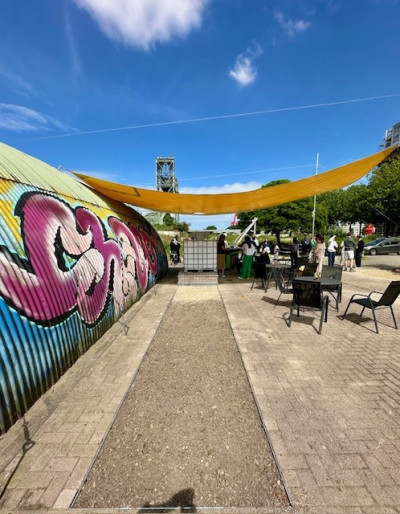
Tailor-Made Water by Latitude Platform & Dallas Collectif
In Hefpark in Rotterdam, rainwater is collected for the (vegetable) gardens, using local materials and community involvement, continuing the Eau de Couture project.
-
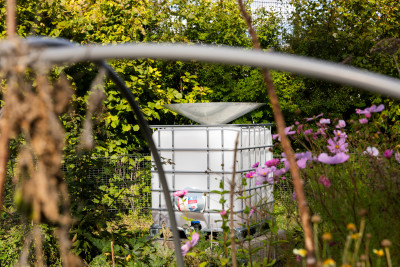
Tailor-Made Water by Latitude Platform & Dallas Collectif
In Spoortuin in Rotterdam, rainwater is collected for the (vegetable) gardens, using local materials and community involvement, continuing the Eau de Couture project.
-
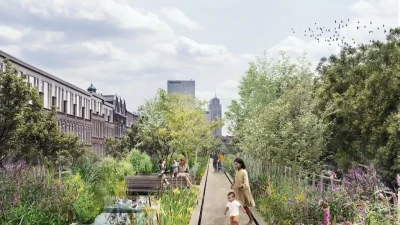
Hofbogenpark
Future rooftop park at the Hofbogen railroad viaduct designed for biodiversity.
-
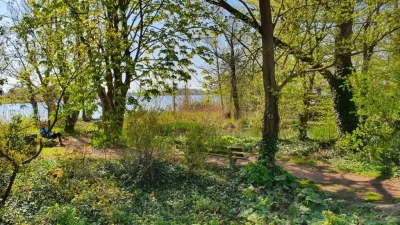
Steilrand
13.5 kilometer formation that used to be peat ponds, currently being managed for the development of biodiversity.
-
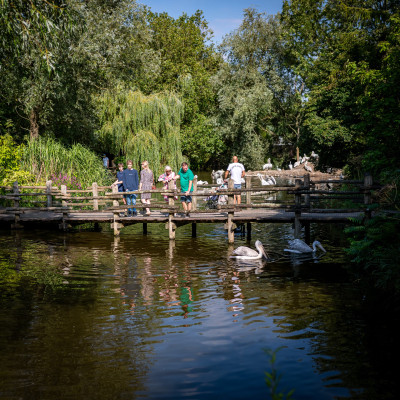
Blijdorp Zoo
Zoo, botanical garden and arboretum with animal and plant species from all over the world, including urban animals from Rotterdam.
-
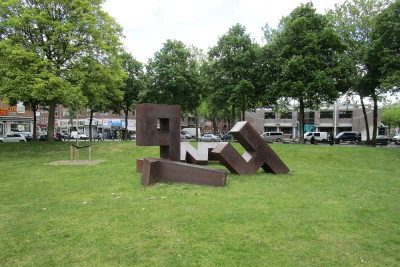
Park 1943
Park in Tussendijken, Rotterdam West, where native nature is allowed to bloom and grow lushly and freely.
-
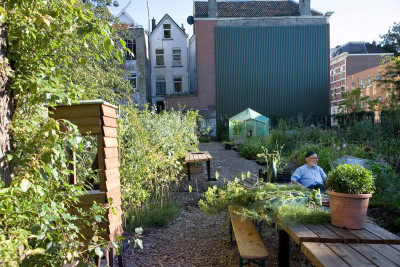
Tuin de Bajonet (Tussentuinen Rotterdam West)
A communal neighborhood garden with a vegetable garden, a garden for children, and a flower garden and a teahouse.
-
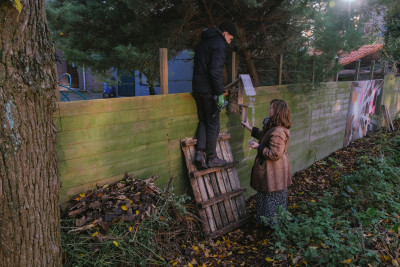
Shared Grounds: Gouwplein Biodiversity Garden
Green patch at the Gouwplein, Old Charlois, being restored into a space that both humans and non-human communities can use.
-
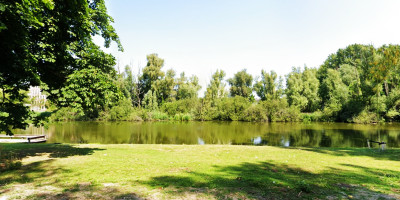
Arieberkelaarpad
Small swamp in Old Charlois with paths, viewpoints and bridges where cultural events happen and many animals live.
-
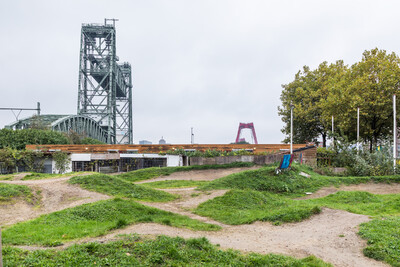
Hefpark
Park at the foot of the Hefbrug initiated and maintained by residents where many activities are organized.
-
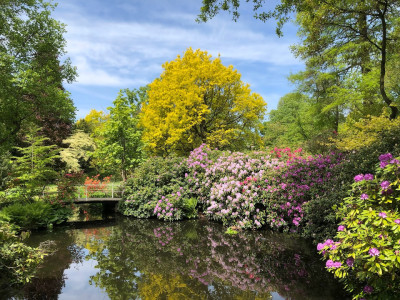
Trompenburg Gardens & Arboretum
Botanical garden with a special collection of trees, English-style gardens, a contemporary food forest and a desert greenhouse.
-
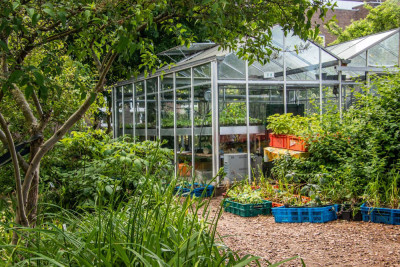
Botanical Garden Afrikaanderwijk
Historical garden with more than 850 plant species where many school activities, workshops and guided tours happen.
-
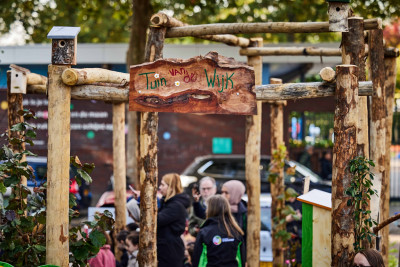
Tuin van de Wijk Afrikaanderwijk
Garden designed, laid out and maintained by local residents and neighborhood organizations at the Afrikaanderplein.
-
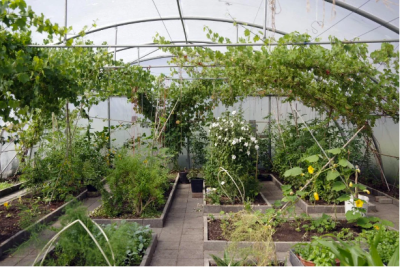
Voedseltuin Rotterdam
This food garden, a sustainable and social initiative, provides food for many organizations.
-
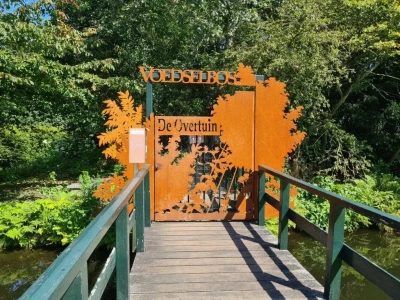
Voedselbos 'De Overtuin' (Food Forest)
Food forest at the Trompenburg Gardens & Arboretum where nature is given space to grow and to be itself.
-
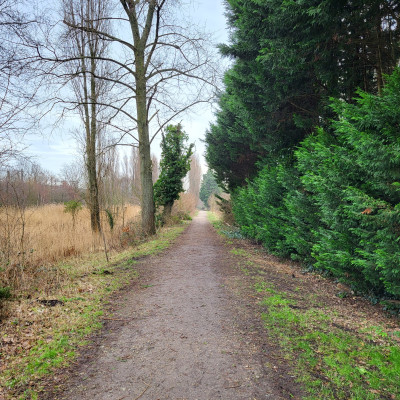
Stadspark West (Urban Park West)
Unofficial park combining allotments, sports clubs, marinas, playgrounds, city parks, swimming water and road verges.
-
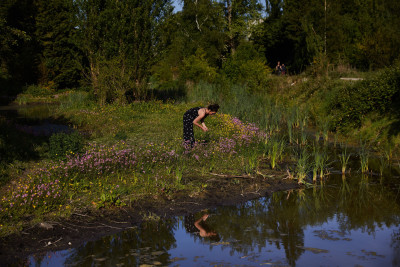
Essenburgpark
Urban nature area and water catchment basin in Rotterdam-West that had its preservation initiated by citizens.
-
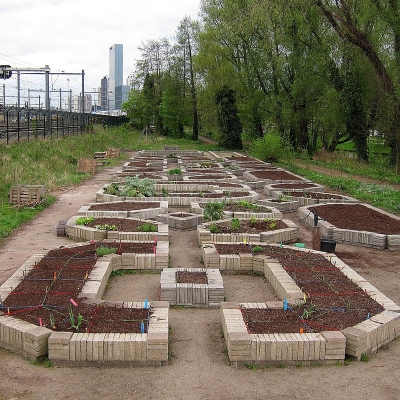
Spoortuin
Vegetable garden and forest with old trees along the railroad track between Rotterdam Centraal and Schiedam.
-
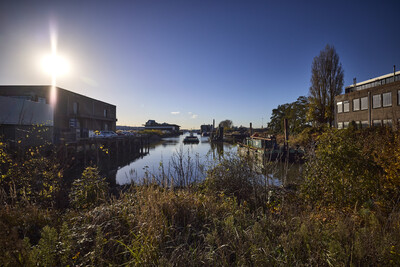
Getijdenpark (Tidal Park) Keilehaven
Tidal park designed for plants, fish and birds that live on the boundary of fresh and salt water.
-
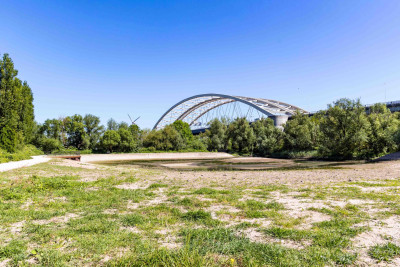
Island of Brienenoord
Island located in the New Meuse River with special plants and animals where nature is influenced by the tides.
-
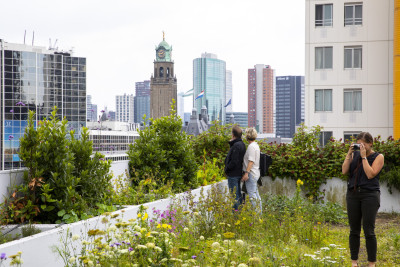
DakAkker
Rooftop farm on top of the Schieblock where vegetables, edible flowers and fruit are grown.
-
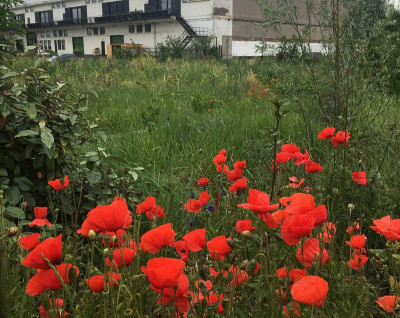
De Groene Connectie
A "green ribbon" through Rotterdam's Delfshaven district that connects existing green initiatives.
-
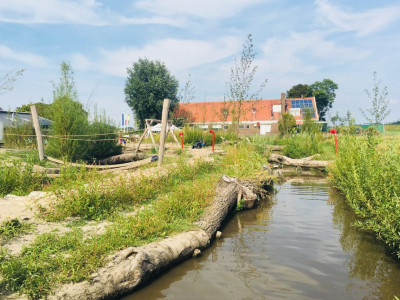
Belevenisboerderij Schieveen (Noordrand Rotterdam)
More information later -
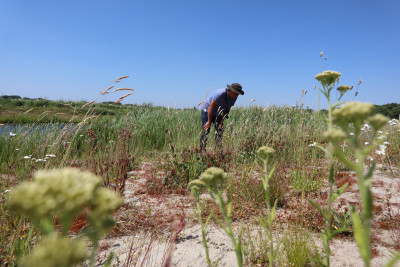
Buijtenland van Rhoon
Polder area where farmers, recreational entrepreneurs, nature lovers and associations work in nature-inclusive ways.
-
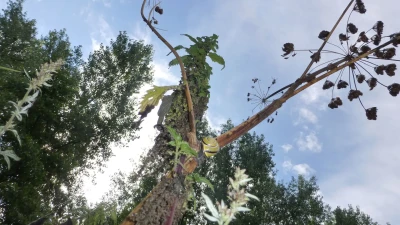
Zoöp Nieuwe Instituut
At the Nieuwe Instituut, a new governance model is being put in practice that makes the interests of non-human life part of the decision making.
-
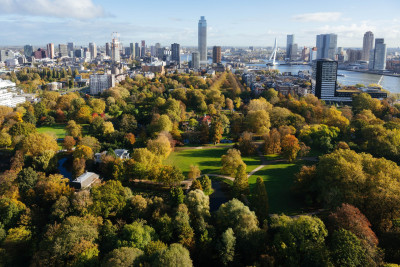
Het Park
Rotterdam's largest green national monument; a park in the city center next to the river Meuse.
-
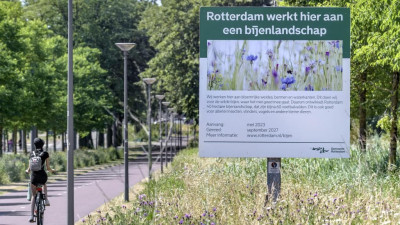
Bee landscape
The City of Rotterdam is developing a bee landscape through nature-friendly management.