This is where the steam age of the Netherlands began
When the first steam engines appeared in Feijenoord in 1825, the landscape looked very different from what it does today. The area consisted mainly of swamps, mud, and water. The Maas River set the rhythm of the landscape and of life around it. In the middle of that water-rich area, entrepreneur Gerhard Moritz Roentgen built something almost no one in the Netherlands had ever seen before: a modern shipyard and machine shop that utilized steam power and new metalworking techniques. British industrialist John Cockerill, one of the founders of modern industry in Europe, took Roentgen under his wing. Thanks to that expertise, a shipyard was established in Feijenoord that was far ahead of its time. Steam ships were being built here even before the first train had appeared in the Netherlands. People came to watch as if they were witnessing the future. Everywhere there were blacksmith’s forges, lathes, and boiler shops. Everything revolved around labor and technology—building smarter, transporting faster, and fostering the growth of the port city.
It was precisely in Feijenoord that Rotterdam began to slowly transform from a collection of villages along a river into a commercial and industrial city. The shipyard of the Nederlandsche Stoomboot Maatschappij was among the first places in the Netherlands where steam power was used on a large scale.
That must have been incredibly impressive. While the rest of the city still relied on wind, muscle, and horse power, machines were already chugging away here.
The shipyard grew rapidly. Ships were named after Greek gods, such as Hercules. New warehouses, docks, and workshops sprang up along the Maas. Hundreds of workers toiled among shipways, forges, and foundries. Around 1834, a visitor wrote in amazement that he had never seen such a factory in the Netherlands. Everything felt more modern than in the rest of the country.
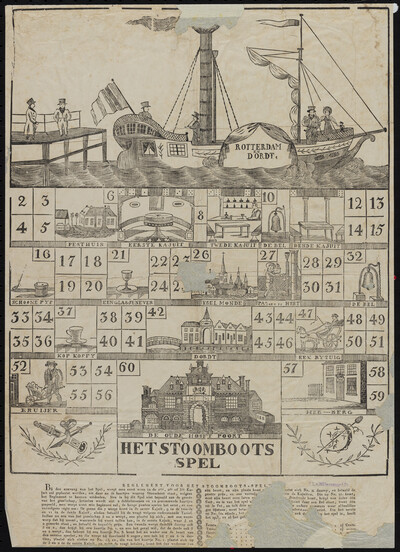
The steamboats built here sailed toward Antwerp, Cologne, and other cities along the major rivers. What set sail from Feijenoord set people, goods, and ideas in motion. Long before Rotterdam became a world port, people here were experimenting with new ways to connect cities. Passenger transport by water was much more comfortable than traveling by horse and carriage over bumpy roads. People played games to pass the time. The shipyard didn’t just build ships and machines. It helped build a network of connections between cities, people, and trade.