From plague house to biennale venue
The industrial site where IABR 2026 SYSTEMS OF SUPPORT will soon take place once served as the place where Rotterdam dumped everything the city preferred to keep out of sight.
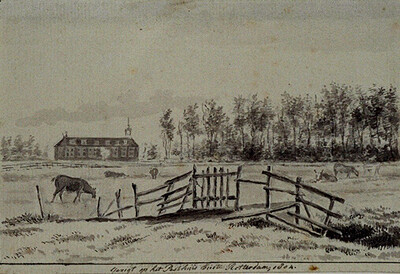
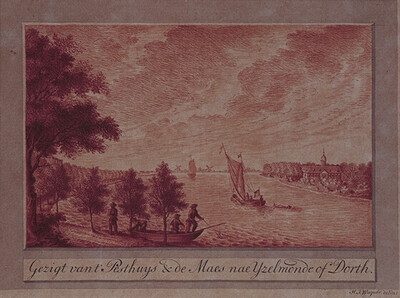
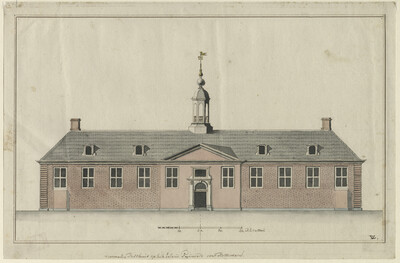
At the end of the sixteenth century, Rotterdam’s gallows field stood here, across the Maas river. Far outside the city. Wind, mud, water, and emptiness. Later, a plague house appeared on the same site. It, too, was built at a safe distance from the city, so that those with contagious diseases would stay far away. The bizarre thing is that the plague house was ultimately never actually used for the plague because a cure was discovered. Over the centuries, the building took on various other functions. Workshop. Storage. Smelter. Today, this place stands once again at a turning point in time. What will happen here in the near future?
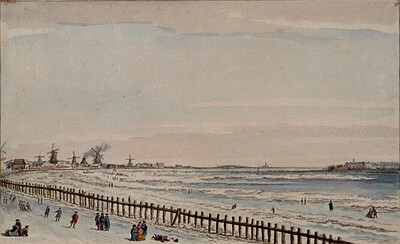
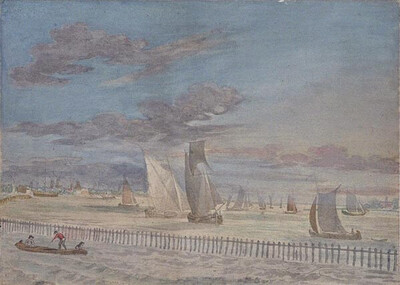
Where empty halls now stand, the first major steamshipyard in the Netherlands began in 1825. While the rest of the country was barely mechanized, Feijenoord was already building with steam engines, forges, and lathes. English craftsmen had to come to Rotterdam because almost no one here knew how this new technology worked. But it was never just about building ships here. The river played a central role in this. Steamers departed from Feijenoord via the Maas toward Antwerp, Cologne, and further into Germany. Water became the link between cities, trade, and industry. Rotterdam slowly began to realize that the river was more than a border or a port; it was a network that connected everything.
So the Hunter Douglas site was never just any factory site. This place was always ahead of the city. Everything here revolved around labor, energy, logistics, and production as Rotterdam grew into a world port. In other words, systems, though no one called them that back then. What happened here centuries ago still influences how this area is changing today and the question of what this place might become in the future. And that is precisely why SYSTEMS OF SUPPORT fits so well here. The biennale examines everything that keeps a city running, often behind the scenes. Infrastructure, raw materials, energy, work, water, and housing. The systems beneath the city, and how they help shape how we will live in the future.
You can still feel that on this site. In the steel. In the stones. In the halls. On the quays along the Maas. As if this place never stopped working.