IABR 2026 SYSTEMS OF SUPPORT to be held at the former Hunter Douglas site
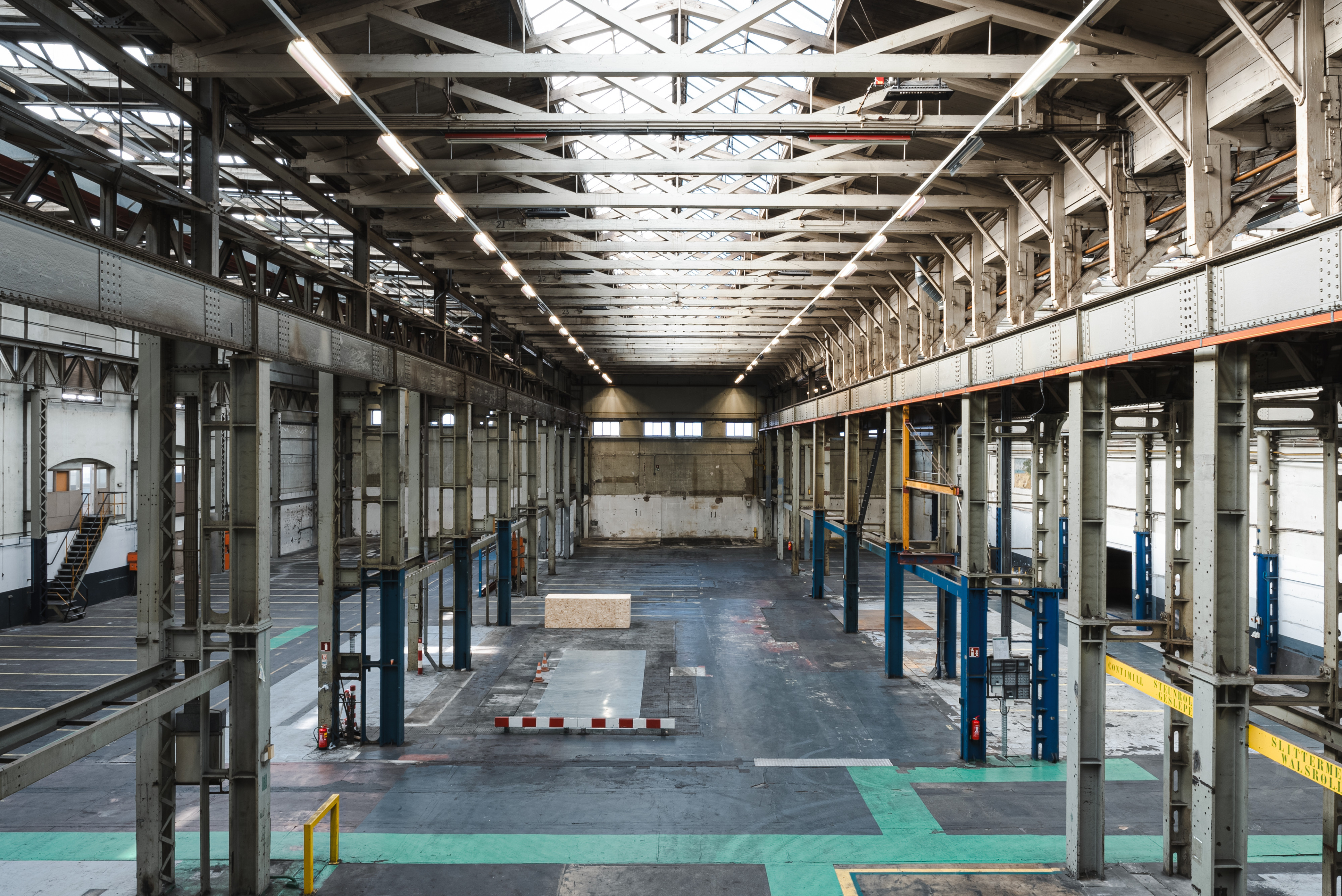
The International Architecture Biennale Rotterdam (IABR) is organizing IABR 2026 SYSTEMS OF SUPPORT at the Hunter Douglas site in Rotterdam-Feijenoord. With this edition, the IABR explores how this former factory can be the site to research and build shared values. Which systemic changes are needed to make a neighbourhood fairer, more socially and ecologically sustainable, and economically just? And how does one ensure that transformation actually works for current and future residents, entrepreneurs, and users?
Why the Hunter Douglas site?
The choice of the Hunter Douglas site is no coincidence. The plans for this area align closely with the issues addressed in the 12th Biennale IABR 2026 SYSTEMS OF SUPPORT. The current owners Heijmans, Dura Vermeer, and ASR are exploring the future development of the site. In doing so, they seek new ways to shape the area with shared values, with a focus on the balance between people, the economy, labor and nature.
The IABR takes this approach as a point of departure. Together with local residents, landowners, entrepreneurs, users, and architects, we are working on collaborative strategies.
The history and future of the Hunter Douglas site form an important foundation and source of inspiration for the exhibition. What does this place tell us? What stories, economic systems, and social networks converge here? From raw materials and energy to social relationships and local stories: everything plays a role.
What will the future Hunter Douglas site look like?
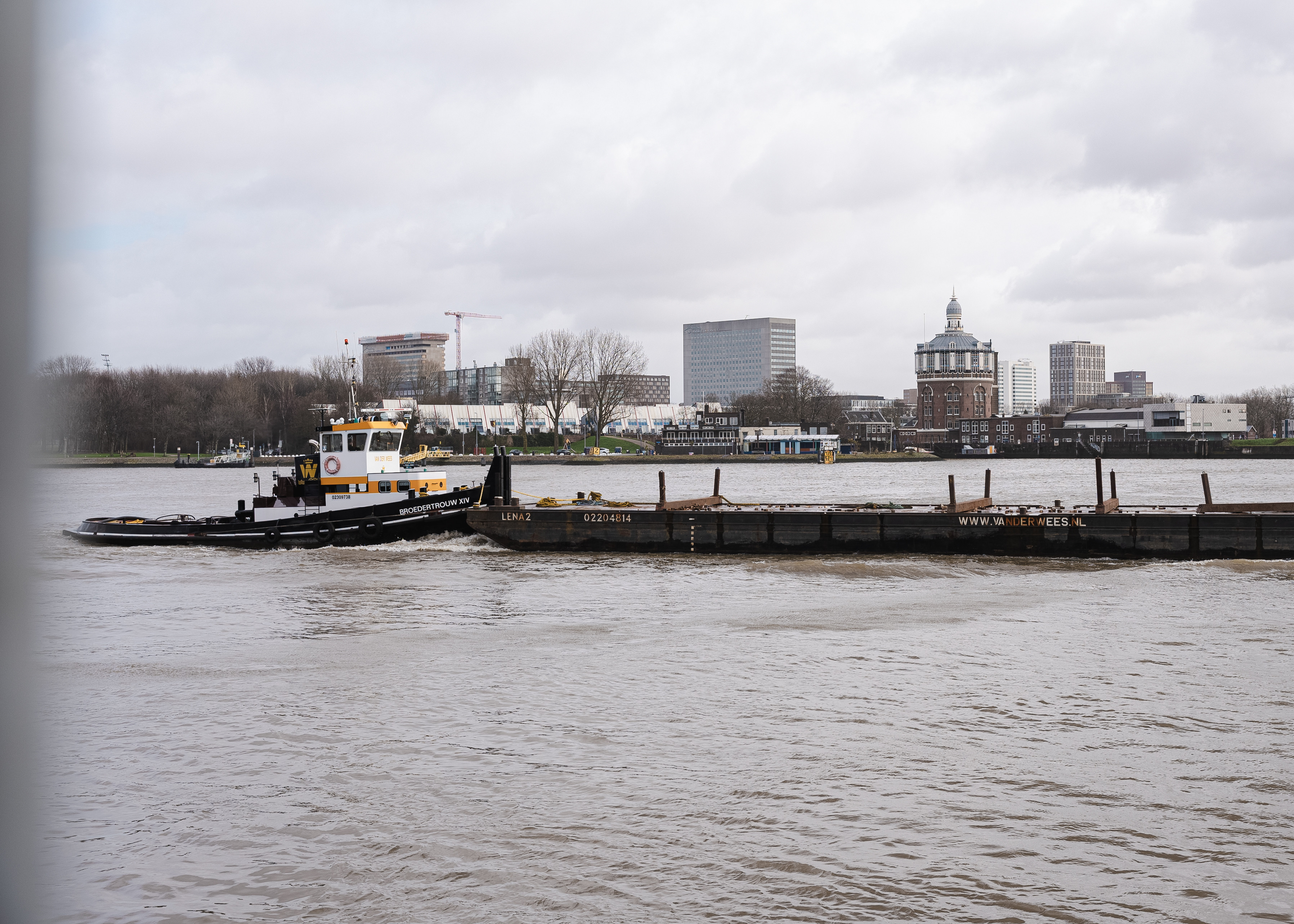
The Hunter Douglas site is located on the Maas River and covers approximately six hectares. In the coming years, it will transform from a former industrial area into a new urban neighborhood. There will be space for social and privately owned housing, workplaces, cultural facilities, hospitality venues, green and public spaces. In doing so, there is a strong focus on sustainability, circular construction, and nature-inclusive design.
The location along the Maas River presents both opportunities and challenges, including rising water levels. The connection to the river is currently limited, but could play an important role in the area’s future development.
Why is this important?
The area has a rich history. It was once a hub for shipbuilding and mechanical engineering and later became the home of Luxaflex. Currently, the site is outdated, lacks green space, and is largely paved over. The redevelopment brings opportunities, but also risks. In many cities, renewal leads to gentrification, displacing residents and businesses. That is why value preservation and creation are central here. Not just economic growth, but also social and ecological value. Think of affordability, inclusivity, and shared ownership.
The question is: how do you make an area attractive to investors while remaining fair to current and future residents? This requires a tailored approach and a new way of developing.
IABR brings all parties together
The IABR views the biennial not as an endpoint, but as a starting point. Through design-based research, the biennial brings together imagination, knowledge, ideas, and various stakeholders. The first steps will be taken during the event in the fall of 2026. The IABR contributes to this process by asking critical questions, opening up new perspectives, and stimulating collaboration. The strength of the neighborhood is central to this. By actively involving residents and local stakeholders, a development emerges that better aligns with the place.
Radically local, yet connected to a larger whole; that is the core of IABR 2026 SYSTEMS OF SUPPORT.