Research

Material Transition: Learning from Grand Paris

Agents of Change - CHRITH architects & Emma Diehl Studio

2023 – 2025

France, and particularly Paris, is currently at the forefront of biobased building in Europe. As the host city of the 2015 Paris Agreement, the French capital is committed to achieving carbon neutrality by 2050. 

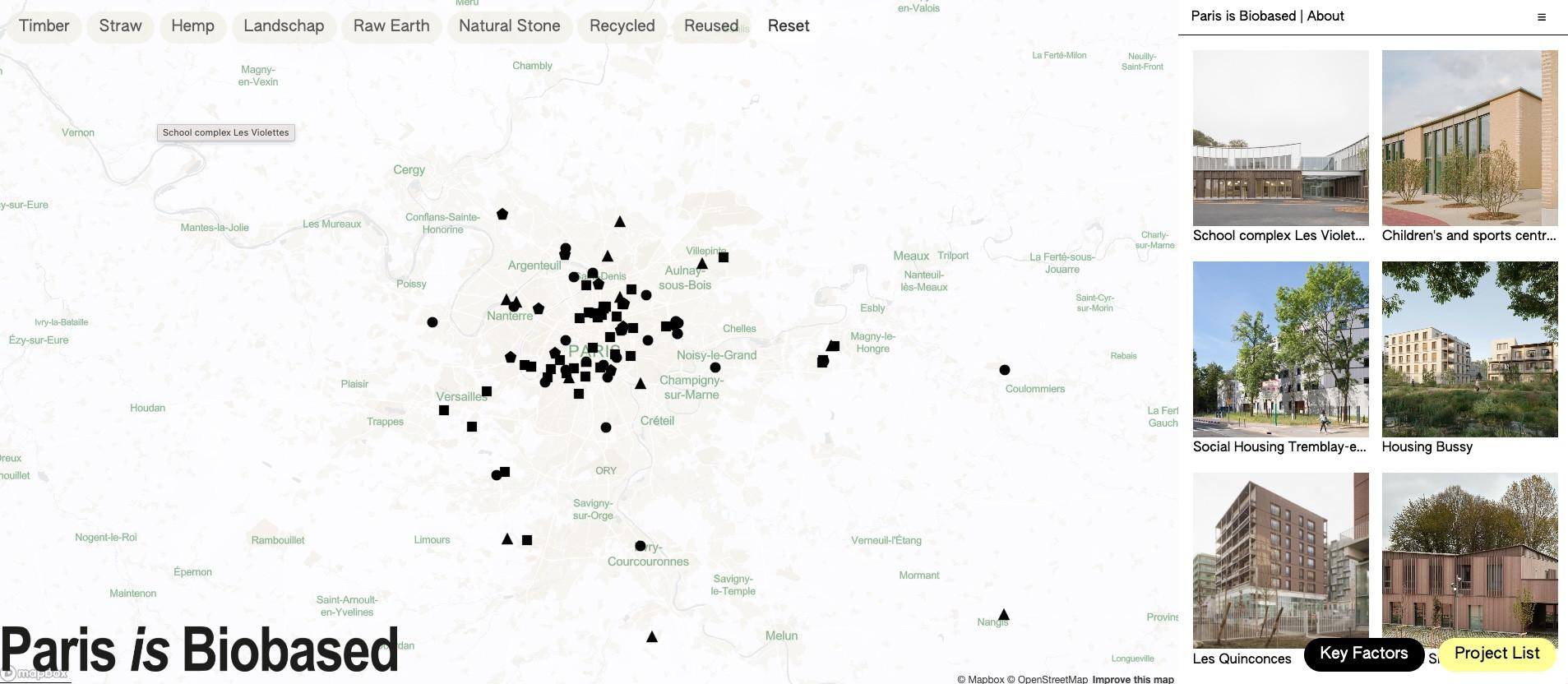
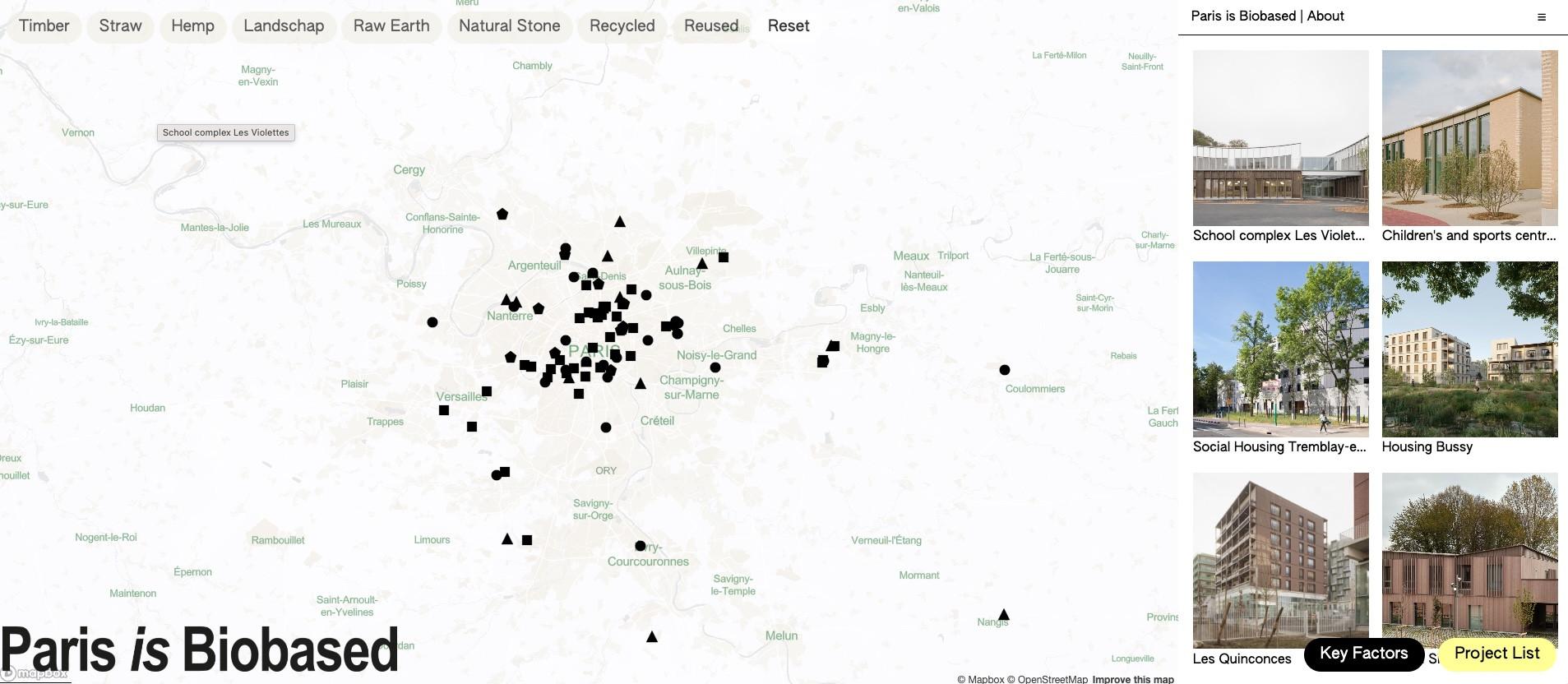
The research project Material Transition: Learning from Grand Paris is an extensive exploration of construction practices using biobased, geobased, and reclaimed materials across the Paris region. It also examines the key policies, actors, and conditions driving the material transition in the building sector. The findings are published on the open-access web platform Paris Is Biobased

The ambition of this website is to provide a space for inspiration and resources, through an interactive map bringing together a selection of remarkable projects distinguished by their use of biobased and geobased materials. The site also includes, in the ‘Key factors’ section, a series of research insights that help to better understand the pioneering role of France, and more specifically the Paris region, in the emergence of more sustainable and less extractive construction practices. 
Visit website
Emma Diehl and Christina Eickmeier. Photo: Jacqueline van Fuijkschot

Research by

    • Christina Eickmeier, CHRITH architects
    • Emma Diehl, Emma Diehl Studio
    • Credits

Background of Material Transition: Learning from Grand Paris

The research focuses on the transition of the construction sector to materials with a reduced environmental impact, due to lower energy consumption, non-harmful ingredients, local sourcing, sustainable harvesting, etcetera. All featured projects use biobased materials, and many also incorporate geobased and reclaimed materials.

With so many remarkable projects – almost 100 already featured on the interactive online map, and the number continues to grow – the question arises: Why is France, and the Paris region in particular, at the forefront of the transition?

At the national level, embodied carbon rules (RE2020) are pushing the use of low-carbon, carbon-storing materials. On a local level, Paris’s new bioclimatic urban plan (PLUb) puts the city at the forefront of sustainable development by favoring bioclimatic design, adaptive reuse (end of demolition), and low-carbon construction, with requirements that go beyond national thresholds. Public projects act as a catalyst, from schools, libraries, and sports facilities to publicly owned social housing supported by city subsidies. Many of the materials – timber, straw, hemp, raw earth, and natural stone – are regionally available, rooted in historical building traditions, and now adapted with modern techniques. Knowledge exchange and the promotion of exemplary projects through associations and labels play a crucial role in advancing these practices. They constitute a support structure that connects stakeholders at multiple levels, develops expertise and innovation and promotes these practices to local or national governments.

What is the research method of Material Transition: Learning from Grand Paris?

The research combined multiple approaches to explore the use of biobased, geobased, and reclaimed materials in the Paris region. Projects were selected through a combination of web research, existing databases, publications in architectural and academic sources, award-winning projects, online lectures, and professional recommendations. Detailed project data were collected directly from the architecture offices involved. The number of relevant projects far exceeds initial expectations and continues to grow, showing that a true movement is underway. 

Key driving factors behind the material transition were identified through interviews with a range of stakeholders and analysis of shared internal documents, such as tender procedures. Moments of exchanges with professionals of the sector during the different events organized were also key to sharpening the analysis. Additional online sources (including regulations, certification labels, professional associations, and local material resources) were also consulted to provide context and complement the findings. The personal contacts and generous knowledge-sharing of diverse French experts were essential for understanding the key drivers of this movement. 

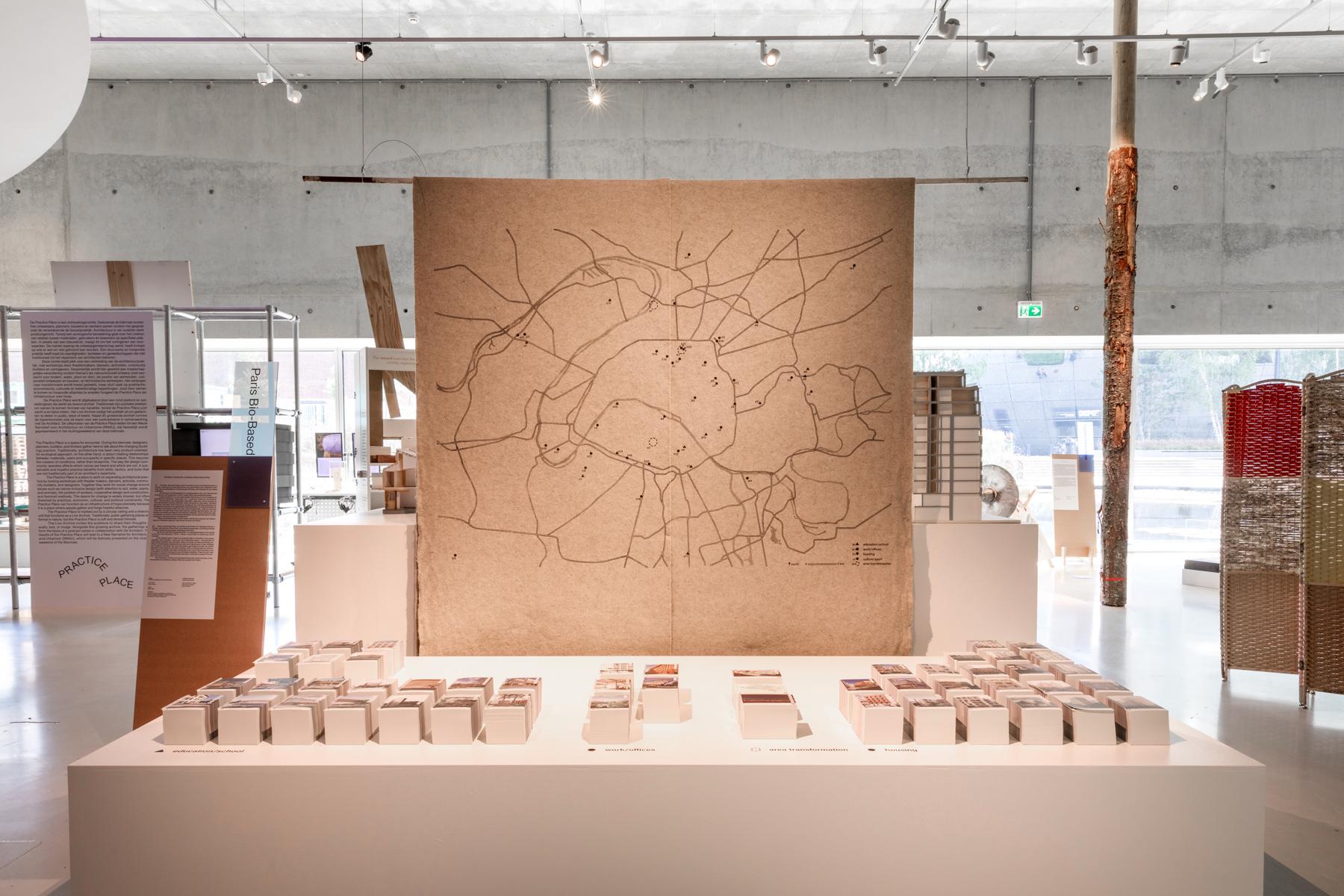
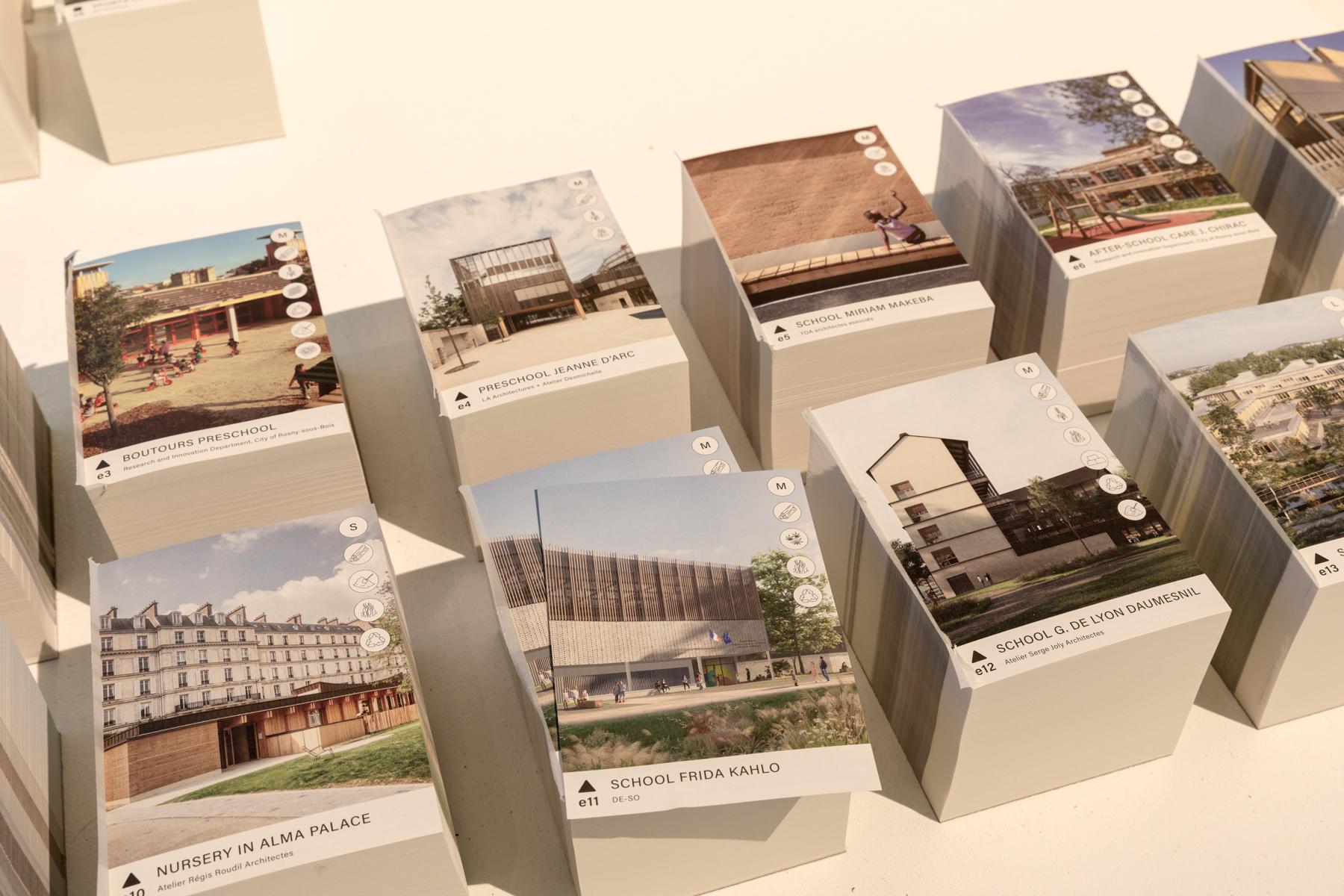
1: Close-up installation Paris BioBased at the IABR 2024, Nature of Hope. Image: JacquelineFuijkschot 
2: Installation Paris BioBased at the IABR 2024, Nature of Hope. Image: JacquelineFuijkschot 
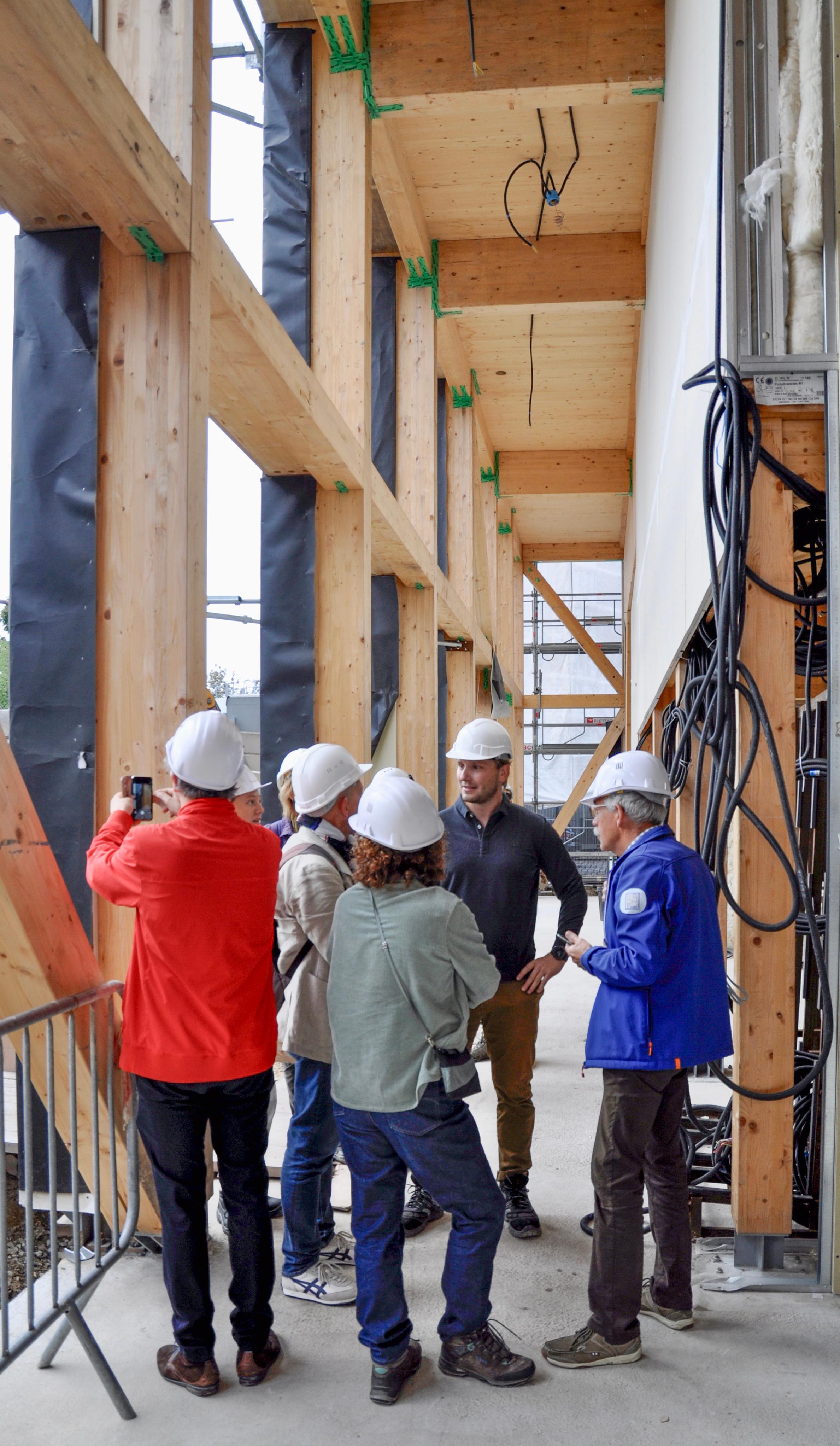
3: Site visit during the initial study trip to Paris for the City Deal Circulair en Conceptueel Bouwen in 2023. Image: Christina Eickmeier 
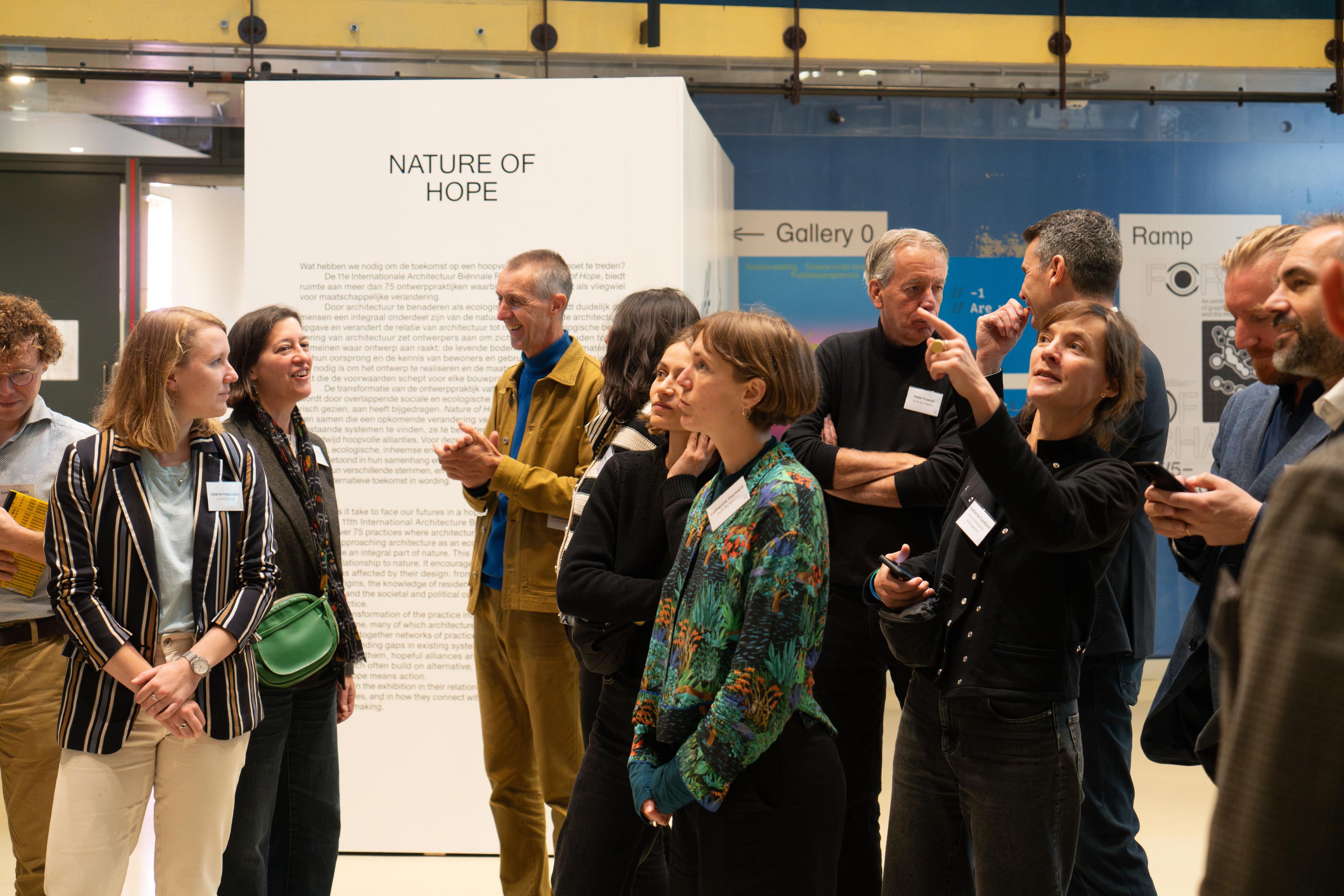
4-5: Discussions between Dutch and French professionals from the building sector during the two-day network event in Rotterdam in 2024. Image: Emma Diehl 
6: Carbon Stories event, Learning from Paris, including a presentation of the research and presentations by French architects and land developers. Image: Sabine van der Vooren 

What did we accomplish with Material Transition: Learning from Grand Paris?

Over three years, the research was developed through multiple formats: 

A study trip to Paris in October 2023, commissioned by the Dutch Urban Agenda, focused on visiting projects and connecting with key stakeholders. The findings were presented at the 2024 IABR – Nature of Hope, showcased in an installation of 50 exemplary projects and relevant policies. A two-day French-Dutch network program in October 2024, organized in collaboration with the IABR and Built by Nature, brought together architects, developers, advisors, and facilitators from both countries. The online platform Parisbiobased.eu brings together the findings to provide inspiration and contextual information for a broad audience. 

The research was also shared through public lectures and events, including Carbon Stories, Dutch Design Week, events at the Academy of Architecture in Amsterdam, a lecture evening organized by the Dutch magazine de Architect, events organized by the municipality of Amsterdam, the Jaarevenement C-Creators 2024, and the City Maker Congress Rotterdam 2025. Furthermore, research findings on the role of public commissioning have been incorporated into the publication Public Procurement for Wooden Buildings by the European Wood Policy Platform. 

The ultimate goal of this project is to disseminate findings, foster knowledge-sharing and most of all to cultivate enthusiasm for virtuous practices through showcasing examples that demonstrate the benefits and feasibility of such projects.  

This initiative aims to influence, and even catalyze, the broader building sector to transition toward more durable materials and scalable production methods. Governance bodies, clients, architects, and other stakeholders need to adopt new, low-impact techniques as brought together in this project. While systemic change is typically slow, visual mappings, detailed material information, and examples of best practices provide a powerful way to demonstrate what is already possible and highlight a clear emerging trend.