Nearly 5,000 kilos of Rotterdam heritage returns to Feijenoord after more than a century
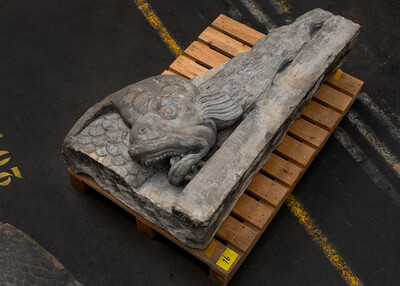
A remarkable piece of Rotterdam’s history is returning to the place where it stood more than three centuries ago. The monumental tympanum of the former plague house in Feijenoord will be on display from 18 September to 29 November 2026 during SYSTEMS OF SUPPORT, the 12th International Architecture Biennale Rotterdam, at the former Hunter Douglas site. The IABR provides the direct occasion for its return.
About the tympanum, a monumental piece of Rotterdam
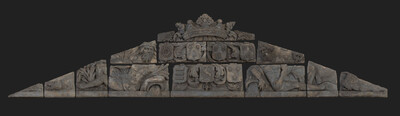
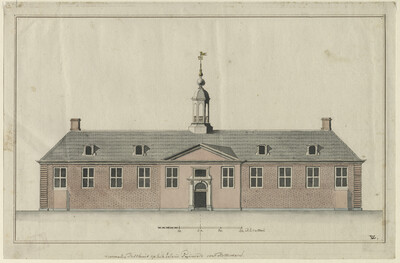
The sandstone tympanum was created in 1717 for the plague house in Feijenoord. Measuring 9.4 metres wide and more than 2 metres high, and weighing 4,980 kilos, it is a monumental structure in its own right. The sculpture features seven family coats of arms belonging to members of Rotterdam’s former city council. On either side are two river gods, referring to the city’s relationship with the rivers Maas and Rotte and the waters surrounding Rotterdam.
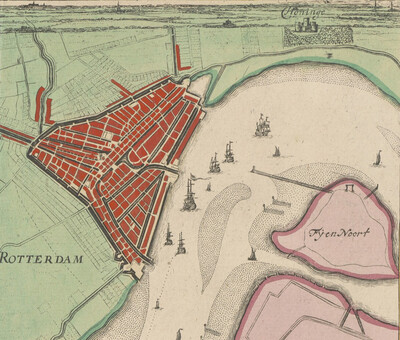
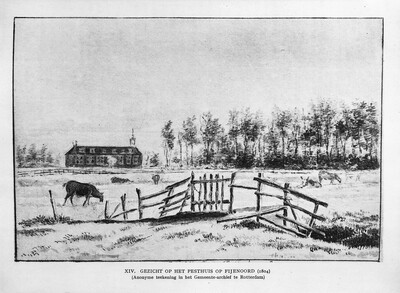
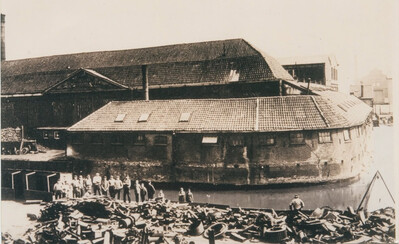
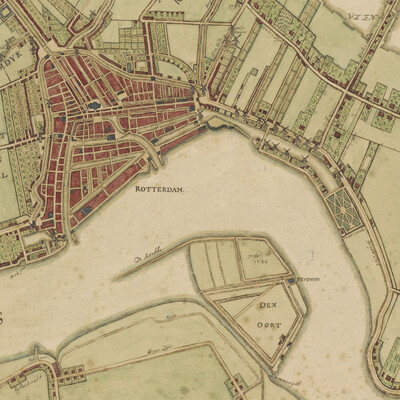
The plague house stood on the site where the industrial Hunter Douglas complex was later developed and where the International Architecture Biennale Rotterdam will take place this autumn. The plague house itself disappeared around 1900, but the tympanum survived and has been part of the collection of Museum Rotterdam since 1910.
“It is fantastic that a masterpiece from our city history collection can once again be fully displayed after more than a hundred years. Its immense size and weight had always made this a challenge. It is especially wonderful that it is returning to the very place it came from.”
Rob Noordhoek, Conservator Museum Rotterdam
The history of the site: From plague house to biennale location
The history of the site stretches back centuries. Once a sandbank in the river, it became the gallows field of the Rotterdam Admiralty at the end of the sixteenth century, far beyond the boundaries of the city at the time. A plague house was later built here to accommodate people with infectious diseases outside the densely populated city centre.
The plague house was completed in 1716, but ultimately never served its intended purpose. Over the centuries that followed, the building took on various functions. In 1825, the Nederlandsche Stoomboot Maatschappij established itself on the site. This marked the beginning of a new period in which Feijenoord increasingly developed into an important industrial area of Rotterdam.
The return of the tympanum connects with SYSTEMS OF SUPPORT, the 12th edition of the International Architecture Biennale Rotterdam. From the Piekfabriek on the Hunter Douglas site, IABR explores how systems related to water, energy, materials, housing and infrastructure, among others, shape our living environment. The tympanum forms part of an installation designed by architecture studio LNML, which explores the use and reuse of stone.
The Hunter Douglas site itself plays an important role in this story. The former industrial area once again stands at the beginning of a major transformation. In the coming years, it will take on a new future, with space for housing, work and amenities.
"Understanding the history of a place helps us understand what futures are possible. The Piekfabriek shows how the industrial past does not have to disappear, but can instead provide inspiration and identity for a new neighbourhood in our city."
Saskia van Stein, general and artistic director IABR
The tympanum remains part of the Museum Rotterdam collection and is being placed on long-term loan.
Rob Noordhoek, conservator Museum Rotterdam about the tympanum
Slideshow overviews of the plague house and tympanum